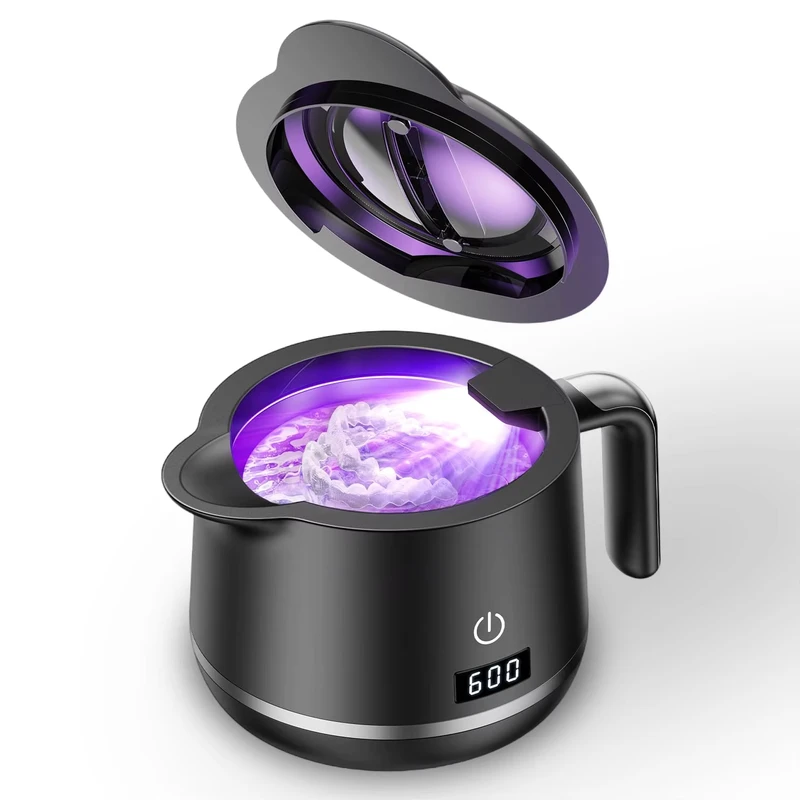

Compare compact, 4.5L, and 20L ultrasonic cleaners by frequency, power, heating, and tank size to select the right model for your market.
Ultrasonic cleaner sourcing starts with a practical question: what must fit inside the tank, and how demanding is the contamination? Capacity alone does not determine performance. Frequency, ultrasonic output, heating, cycle control, construction, and voltage compatibility all influence whether a machine suits home users, repair counters, laboratories, or specialist workshops.
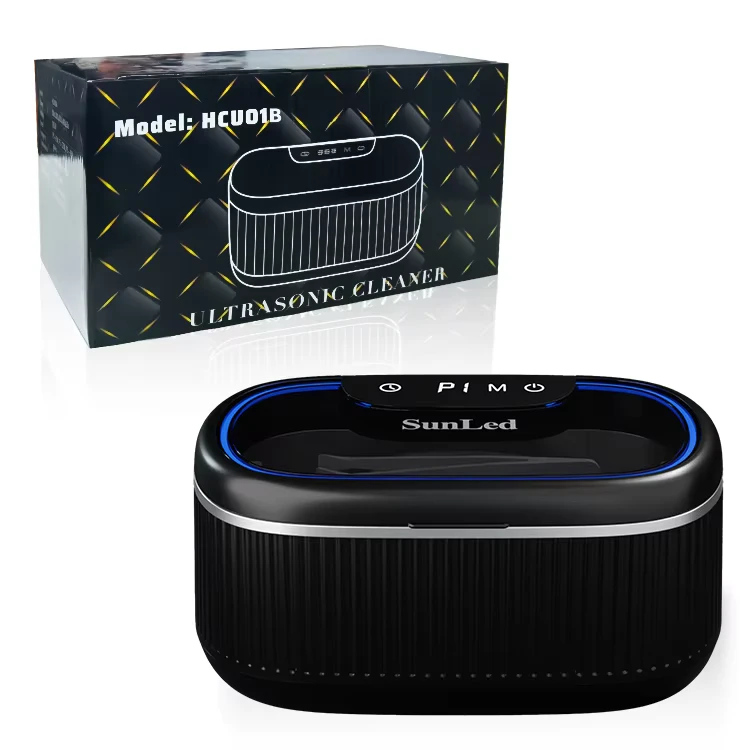
Compact Cleaning for Controlled Tasks
The 550ml digital cleaner combines a 45 kHz frequency with selectable 15W, 25W, and 35W power modes. Five timed cycles from 90 to 480 seconds give users straightforward control. Its SUS304 stainless steel tank, ABS housing, and compact format suit small items and careful surface cleaning of compatible, disassembled PCB or motherboard components using an appropriate cleaning fluid and procedure.
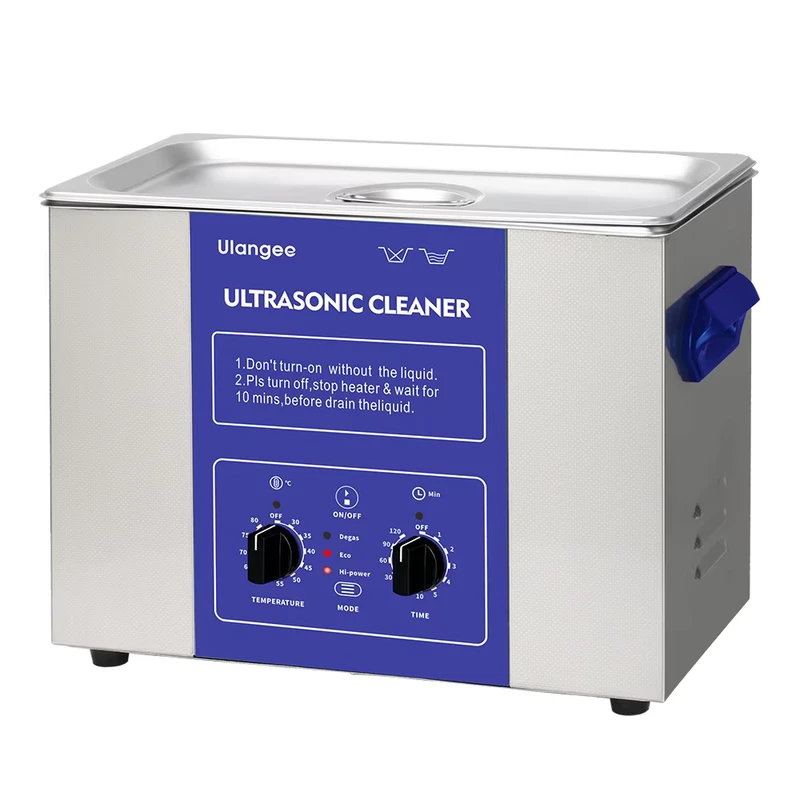
More Volume for Professional Workflows
For buyers serving workshops, jewelry businesses, electronics facilities, or dental supply channels, the 4.5L ultrasonic bath offers a larger working area. It features 40 kHz operation, 180W ultrasonic power, 200W heating power, and a 300 × 150 × 100 mm inner tank. Both 110V and 220V versions support regional distribution planning. In dental and medical environments, ultrasonic cleaning should be positioned as a cleaning stage rather than sterilization.
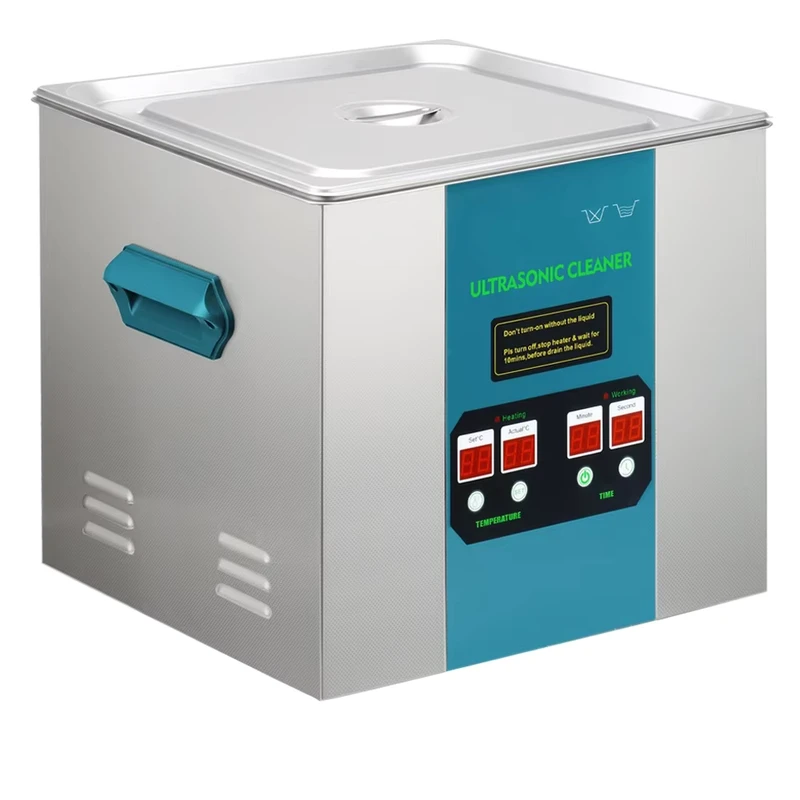
Higher-throughput applications require another step up. The 20L digital cleaner provides 360W ultrasonic power, a 330 × 300 × 200 mm tank, and integrated heating rated at 500W for 220V or 400W for 110V. Its scale makes it relevant to vinyl record care, industrial parts cleaning, and service environments where batch size matters. Buyers should also confirm the fixtures or baskets required for their specific workflow.
A well-planned assortment can address compact retail use, professional benchtop cleaning, and larger specialist applications without treating every customer as identical. When requesting a quotation, share the target application, destination voltage, expected order quantity, packaging requirements, and any compliance documentation needed so the most suitable configuration can be evaluated.